
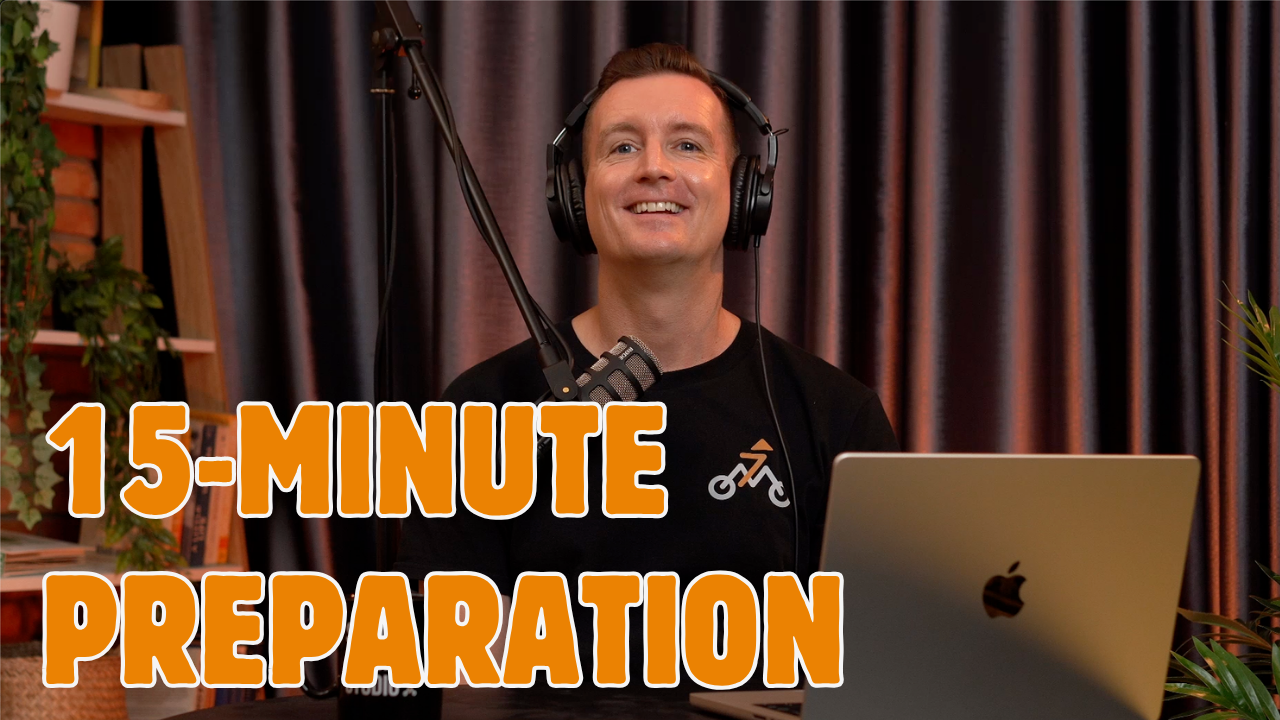
I’m Niall Mackay, founder of Seven Million Bikes Podcasts and owner of Saigon Podcast Studio. Over the past few years, I’ve helped hundreds of podcasters, business owners, and creators record professional podcasts. One thing I’ve learned is that the quality of a recording often has very little to do with what happens after you press record.
Even experienced podcasters can feel a little nervous before a recording. You suddenly start wondering whether your questions are ready, whether your guest will be comfortable, or whether you’ve forgotten something important. That feeling is completely normal.
In this guide, I’ll show you how to prepare for a podcast recording using a simple 15-minute checklist that I recommend to almost everyone who records at our studio.
Table of Contents
Why Podcast Preparation Matters
Many people think a professional podcast starts with expensive microphones or multiple cameras. It doesn’t.
A great podcast starts with preparation. Here’s why:
1. You’ll Sound More Natural
Preparation isn’t about memorising a script. It’s about knowing where the conversation is going. When you’re not trying to think of the next question, you can listen more carefully, ask better follow-up questions, and have a conversation that feels genuine rather than rehearsed.
2. You’ll Avoid Last-Minute Stress
Small problems can quickly become distractions if you discover them just before recording. Forgetting your notes, arriving without a charger, or scrambling to find a guest’s website all take your attention away from what matters most. A simple podcast recording checklist helps you walk into the studio feeling calm and ready.
3. You’ll Make Better Content
The best podcast episodes rarely happen because of expensive equipment. They happen because the host is fully present. When you’ve already taken care of the practical details, you can focus on asking thoughtful questions, connecting with your guest, and creating an episode your audience will actually enjoy.
Minutes 0–5: Prepare Your Conversation, Not a Script
One of the biggest mistakes I see new podcasters make is writing a script for the entire episode. While it sounds like a good idea, it usually makes the conversation feel stiff and rehearsed. Instead of listening to your guest, you’re focused on remembering the next line.
A much better approach is to create a simple outline. Think about the topics you want to cover rather than the exact words you’ll say. I usually recommend splitting your questions into two categories:
- Must-ask questions – The key topics you want every listener to hear.
- Nice-to-ask questions – Bonus questions that you can explore if the conversation naturally goes in that direction.
This gives your episode structure without making it feel scripted. Some of the best moments I’ve ever recorded weren’t planned at all. A guest mentioned something unexpected, we followed that thread, and it turned into a far better conversation than anything on my original outline.
Tips: Keep Your Notes Simple
Whether you use an iPad, laptop, or printed notes, make sure they’re easy to access during the recording. Avoid shuffling loose pieces of paper, as microphones pick up far more noise than most people expect. Your notes should support the conversation, not distract from it.
Minutes 6–10: Check Your Workflow Before You Leave
If you’re recording in a professional podcast recording studio, the cameras, microphones, and lighting will already be set up. However, you should still spend a few minutes preparing your own workflow before you leave.
A quick check can save a surprising amount of stress later.
Before heading to the studio, make sure you have:
- A fully charged laptop (if you’re bringing one)
- Your charger and any necessary adapters
- Presentation slides or documents ready to open
- Important files downloaded instead of relying on Wi-Fi
- Your guest’s arrival time and contact details confirmed
- Your phone switched to silent
If you plan to show websites, videos, or presentations during the recording, open them beforehand. Spending two minutes preparing now is much easier than making your guest wait while you search for a file.
Tips: Keep a Backup
Technology is reliable until it isn’t. I always keep important files in two places, usually on my laptop and in cloud storage. It takes almost no extra effort, but it can save an entire recording session if something unexpected happens.
Minutes 11–13: Prepare Yourself
Most podcast recording checklists focus entirely on equipment, but the most important part of the recording is still the person behind the microphone.
Before you start, spend a couple of minutes getting yourself ready.
Here are a few simple things that make a noticeable difference:
- Drink room-temperature water to keep your voice comfortable. Very cold drinks and dairy products can sometimes affect vocal clarity.
- Warm up your voice by reading a paragraph aloud or chatting with your guest before recording.
- Wear microphone-friendly clothing. Avoid noisy jackets, jangly jewellery, or fabrics that rustle when you move.
- Choose comfort over fashion. If you’re constantly adjusting your clothes, it becomes much harder to stay focused on the conversation.
One final tip: smile.
It might sound obvious, but listeners can often hear the difference. A relaxed smile naturally changes your tone of voice, helping the conversation feel warmer and more engaging, even if your audience is only listening to the audio.
My Podcast Prep Template
Episode Title
Goal
What should listeners learn?
Ideal Listener
Who is this episode for?
Three Key Takeaways
Must-Ask Questions
•
•
•
•
Bonus Questions
•
•
•
Stories I Want to Share
•
•
Call to Action
Notes