“Do I really need video for my podcast?” is one of the questions I hear most from business owners.
My honest answer is “no, but yes.” You don’t have to do video. But for about 99% of businesses today, I think you should.
I’m Niall Mackay, founder of Seven Million Bikes Podcast and Saigon Podcast Studio. I started my first podcast in 2019 as a hobby, and it’s now in the top 5% of podcasts in the world. Since then, I’ve helped businesses around the world make this exact decision.
Here’s how to choose between a video podcast and audio only, before you hit record.
Reason 1: Short-Form Clips Put Your Business in Front of More People
If I had to pick one reason to do video, this is it.
What we’ve seen with our own podcast, and the shows we produce for clients, is that one short-form video can get 10, 100, or even 1,000 times more views than the full episode. That’s a lot more eyeballs on your business.
Here’s a story that shows why it matters. Just two days before I recorded the episode this post is based on, someone told me, “I’ve seen your podcast.” When we talked more, what they meant was they’d seen my short-form videos. They knew I had a podcast just from the clips.
Your short-form videos introduce you to people who would never have found a full episode on their own. That’s where the real value lies.
The Biggest Reason to Choose Video: Short-Form Clips
If I had to pick one reason to do video, it’s short-form content.
What we’ve seen with our own podcast, and the shows we produce for clients, is that one short-form video can get 10, 100, or even 1,000 times more views than the full episode. That’s a lot more eyeballs on your business.
Here’s a story that shows why this matters. Just two days before I recorded this episode, someone told me, “I’ve seen your podcast.” When we talked more, what they meant was they’d seen my short-form videos. They knew I had a podcast just from the clips.
That’s where the real value lies. Your short-form videos introduce you to people who would never have found a full episode on their own.

Reason 2: YouTube Needs Real Video
If you only have audio, please don’t upload it to YouTube with a static image. It just won’t work.
I see this mistake a lot. A business records an audio episode, drops it onto a still picture of the podcast logo, and uploads it to YouTube, thinking that counts as being on the platform. It doesn’t. YouTube is a video platform, and people go there expecting to watch something. A static image gives them no reason to stay.
When you put real video on YouTube, the whole experience changes. Viewers can see you and the person you’re talking to, and they get a reason to keep watching. Put the video there and you’ll get more views.
It’s also one of the simplest ways to get more out of an episode you’ve already made. You’ve done the hard part of recording the conversation. Uploading the video version to YouTube is extra reach for work that’s already done, and it gives your podcast a second home on one of the biggest platforms in the world.
Reason 3: Video Helps People Find You Through Search
YouTube also helps with search, and this is a benefit a lot of business owners overlook.
Google owns YouTube. So when someone searches for a keyword that’s in your title, a YouTube video is far more likely to show up on the first page of results. That means a person who has never heard of you, and is just looking for an answer to a problem, can find your episode and start watching.
Now compare that with audio-only platforms. Spotify and Apple Podcasts links very rarely, if ever, come up on the first page of Google. You can make a brilliant audio episode, but if nobody can find it through search, it’s much harder for new people to discover you.
That’s why your episode title matters on YouTube. If you’ve picked a title that includes the keyword your ideal listener would actually type, you give yourself a real chance of showing up when they search. If you want people to find you that way, video gives you a real advantage that audio alone doesn’t.

Reason 4: People Want to See You
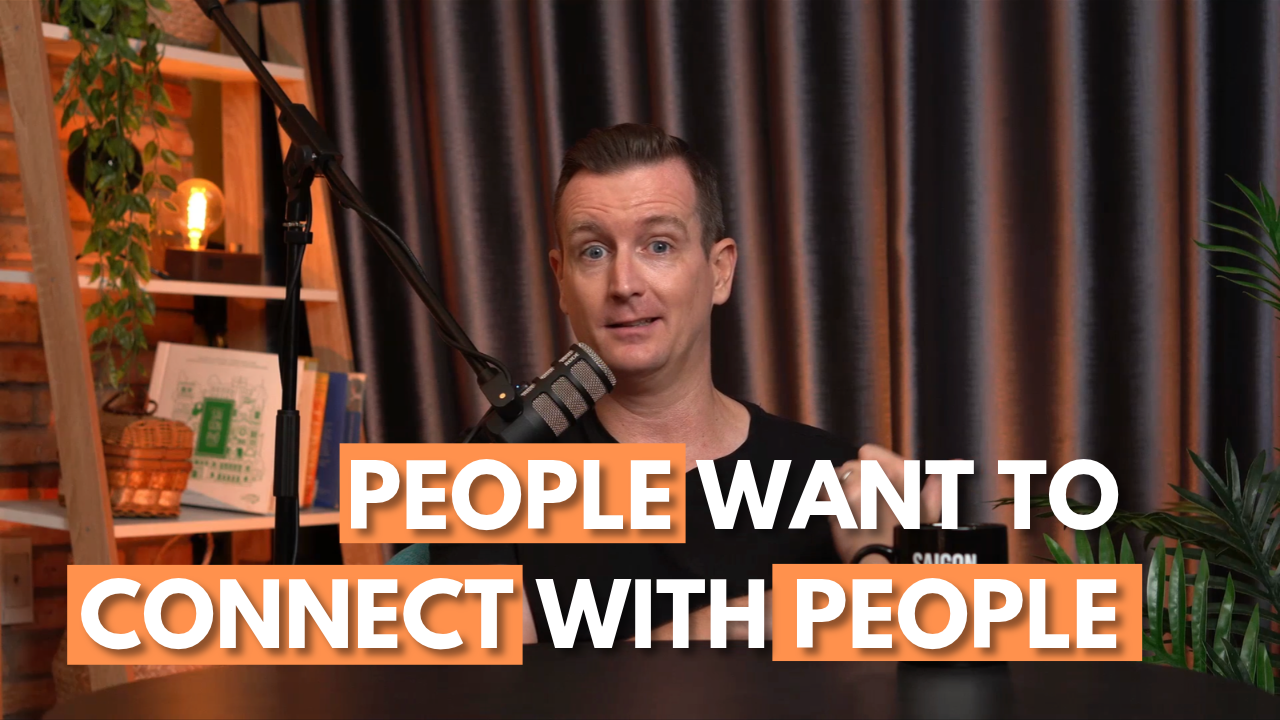
There’s a simpler reason too. People want to connect with people.
They don’t just want to hear your voice. They want to see you, to see what you look like. That’s how they start to build trust with you. And for a business podcast, trust is the whole point.
Put that together with the clips and YouTube, and I’d say the benefit of video on top of audio is immense.
Reason 5: The Platforms Have Caught Up
Everyone consumes video now, and it just keeps getting bigger.
Spotify has supported video for a few years. This year, 2026, Apple Podcasts made video available for the first time ever, which is a massive change. You can now actually watch podcasts there.
Hosting has improved too. We use Buzzsprout, and it took too long, but you can finally upload video to it and have it distributed to all the podcast hosts. A year or two ago, video was a hassle to distribute. Now it’s built into how podcasts work.
When Audio Only Is the Better Choice
Video isn’t right for everyone. There are two situations where I’d say stick to audio.
1. Your podcast doesn’t need a visual element.
I love investigative reporting and deep-dive podcasts, like the ones from the BBC or the CBC. True crime is another good example. In shows like these, there’s nothing for the camera to show. If it’s just someone talking to a camera, audio alone does the job.
2. You don’t have the budget.
A video podcast costs extra money to make. You have to decide whether the value you’ll get back is worth the spend. If you can’t afford video right now, audio-only is a perfectly good place to start. A good audio podcast beats a rushed video one every time.
What Extra Work Does Video Create?
If you work with a studio or a company like ours, video doesn’t require a lot more work. But it does require more.
In a studio, the difference is small. Every podcast studio is already set up for video. If you only want audio, we can offer that service, and it’s cheaper, simpler, and easier for everyone involved.
Having a crew come to you costs more. If you want a videographer or a podcast company to come to your business, it’s around $500 an hour here in Saigon. Sometimes people ask, “Can you just come and record us here?” Then we quote them, and they disappear. I think they expect us to turn up with a phone and a ring light.
A real crew is different. The company we’ve used here in Saigon brings three staff, lights, cameras, a director, and all the equipment. All of that costs money.
You also have to think about how you look. This is the part people forget. You can’t roll out of bed. You need to be camera-ready. A few things to plan ahead:
- Consider hair and makeup, which we offer and some clients take up
- Dress nicely
- Avoid checks and patterns, because they look bad on camera
- Wear solid colors, and be careful with silky fabrics, which can look shiny
It takes much more thought and effort than audio alone. But it’s manageable once you know what to expect.
Read More: Best Camera Settings For Podcast
So, Video Podcast or Audio Only?
Here’s how I’d decide:
- Choose video if you want short-form clips, you want to be found on YouTube, and you want people to see you and build trust
- Choose audio only if your show doesn’t need visuals, like an investigative or deep-dive podcast, or you don’t have the budget for video yet
- Start in a studio if you want video without the cost of a crew, because the equipment is already there
- Plan ahead for how you look if you go with video, from your clothes to your hair and makeup
If you ask me, do you need a video podcast, I’ll probably say yes.